Starla Parkin

Live your life with intention!

  • Home
  • Blog
    • Simple Living
    • Gardening
    • Preservation and preparing food
  • About

Uncategorized

Living in the Present Creates your Future

By starla on June 15, 2023

Living, what does that exactly mean? Dose it means surviving day after day in a natural state, eating sleeping and feeling numb to the world? Or getting up every morning singing with the birds and going on an extreme experience in the most lavish places. Or does it means finding contentment in life, living each day to the best you can, improving your skills, experiences and embracing the now of life. Finding purpose in the small but constant things around us. The joy that brings laughter and smiles to your sole and the ones around you, being able to joke about the small fumbles that we all have and embracing the excitement when things are happening. Bringing great food to the table to enjoy with others or the dry jokes that you just can’t not smile from.

              Something that I find myself saying often is only positive and live for the present and future. Dwelling on the past or negative never sets you up for a positive day. The past and negative things that cross your path in life are there to learn and grow from. The present and future are here to live for, to enjoy striving to get to a place where you dream of being and enjoying as many moments as possible along the way.

              Nothing is better than struggling to hike up to that spot just to feel like you are exactly where you need to be, in that very moment you feel like you are untouchable and on top of the world. That positive moment has created a memory that gives you continuous motivation as you move through the days and nights. Or the precious moments when you are challenged to step out of your comfort zone, embrace your talents that others see so clear, and you rock it. The success, accomplishments and experiences push you to step out, let you know you can do it and gifts you the hidden skills to mold your future.

              Living includes eating, sleeping, socializing, growing, learning, working and much more. Enjoying the everyday movements that we all go through in a heightened positive manner creates a life that is full of appreciation and joy. A life that when you look back at the many memories that you have filled your sole with, you will be profoundly joyful and content, a life you have made by living in the present and creating your future.

It is important to pay attention to living your present lifestyle with intention,

as living in the present creates your future!
Progress not perfection

By starla on January 2, 2023
Learning, growing and enjoying the beauty of the garden

Through the years that have passed, to the ones in our future, it is always a wounder as the beginning of the new year approaches. A wonder about what adventures to aim for, what goals to set and what new knowledge should be gained. A mystery of what awaits us to behold as the days pass, through the seasons and time. A time when the previous year’s goals that were set are reflected upon, were they achieved, do they still relate with our drive or should new goals be set.

With each year there has been a great lesson that I remind myself of every day. A lesson that propels the motion of the day in the direction of the set goals that are in place. The motion of this lesson moves you through the tough times, keeping you moving in the direction of the final goal. Remembering the lesson that keeps you in the positive motion of ‘progress not perfection’.

Learning to bring life to the garden

Progress not perfection allows you to begin. It allows you to move forward towards your goals, your destination, one step at a time without the constant self-pressure of perfection. Starting with progress sets you up for growth that allows you to learn and become closer to the end destination. Without progress, without that first step or self-challenge in the direction of your choice, it could leave you forever wondering about your destination.

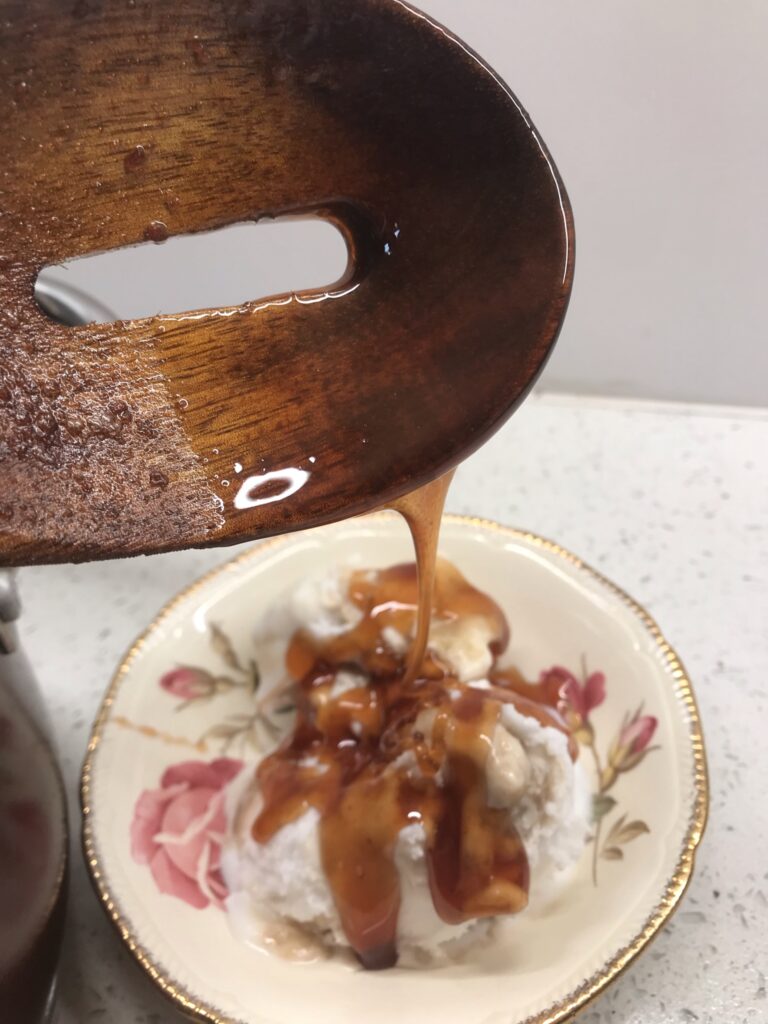
Mastering Apple Syrup

Progress is not always easy and there is no guide laid out as your manual to life that fits your excite circumstances, Progress is taking that first step out into the unknown or unperfected. It is believing in yourself that your dreams are reachable, and you too will get there. It is standing back up if you find yourself falling, it is to keep moving forward no matter what storm hits you, to be always moving forward instead of standing still. I don’t believe there is ever going to be the perfect perfection with everything.

As we reflect on the previous years, prepare for the current year, and look forward to our future years, we remember the progress and people in our lives that have strengthened us, taught us, and shared their precious time embracing the life and achievements made. Some of those precious soles now live with us deep in our hearts and memories. I hold those soles dear to my heart to encourage me to keep moving forward, to embrace the time we have, to make a difference as they have made a difference in our lives. Allowing the positive memories to empower the courage to step out and start. Set your dreams and destinations high, embrace the path and start the progress, but most importantly remember the positive and grace that you find on your journey. Moving forward is always the bests way to move through life.

Believing in the power of progress not perfection, we must start.

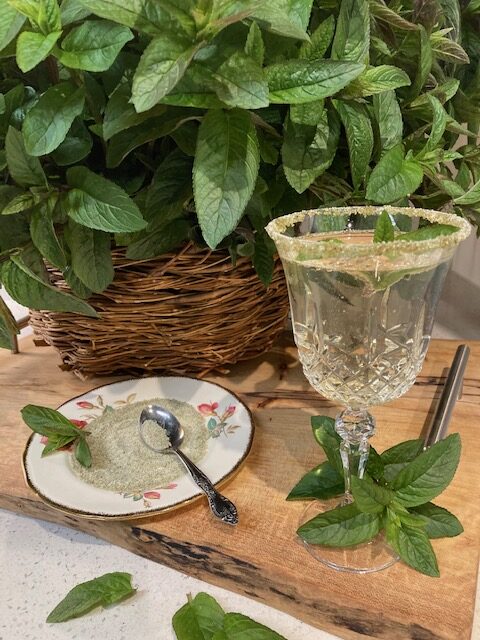
A toast of sparkling sprinter topped with fresh candy mint sugar to celebrate all of you!

Bringing the Outside in

By starla on August 19, 2022

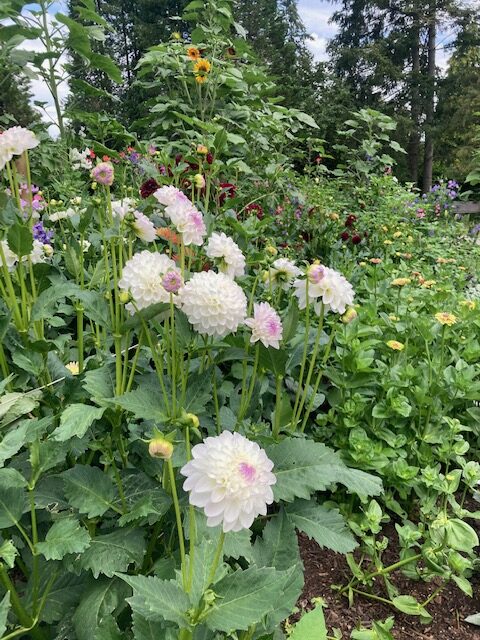
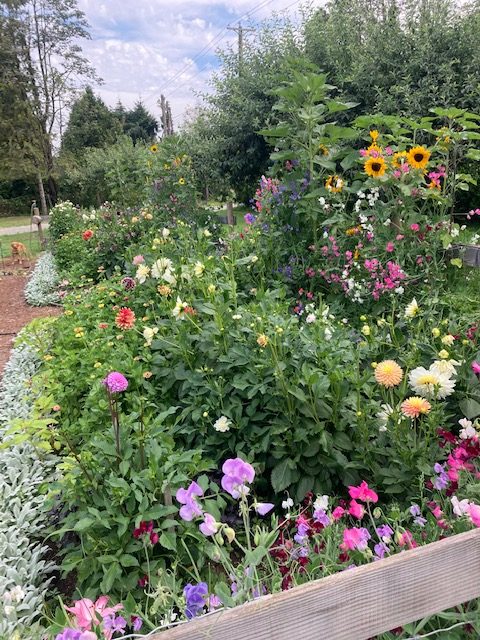
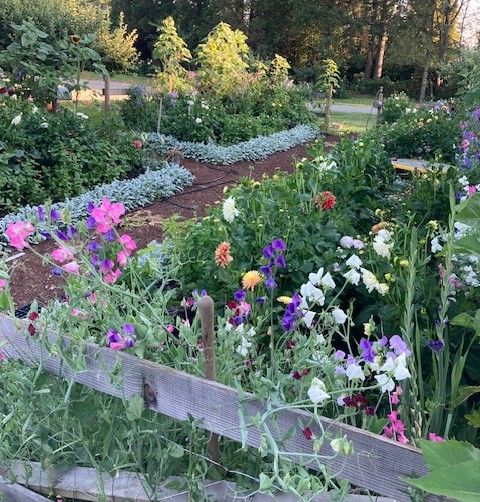
              There is nothing nicer than breathing in the fresh air of the morning breeze, feeling the warmth of the sun’s rays kissing your skin and strolling around the garden taking in every ounce of beauty from all around. It is the time of the year when the Dahlias, cosmos, sunflowers and much more are all in bloom. The time when the bees are buzzing around collecting pollen from every bloom they can. A time of beauty and abundance. A time that we all look forward to and patiently wait for. When our produce is readily available, and we are striving to just stay outdoors for a little bit longer.

We bring our daily tasks outdoors, take extended walks, outdoor picknicks and refreshing swims in any body of water that is around. Family and friends gather to enjoy laughter, make memories and long for the days to never end.

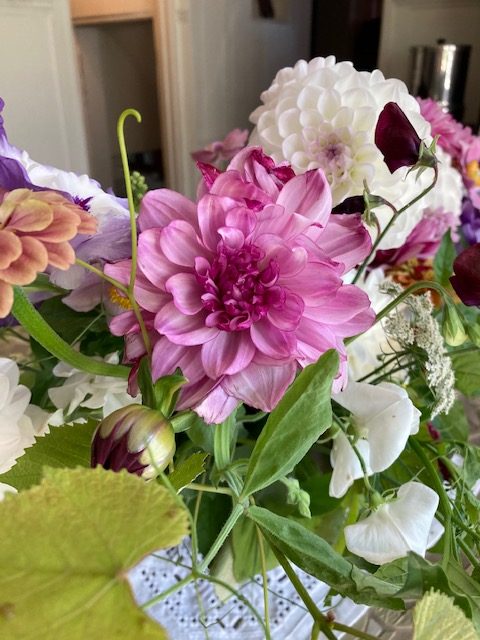
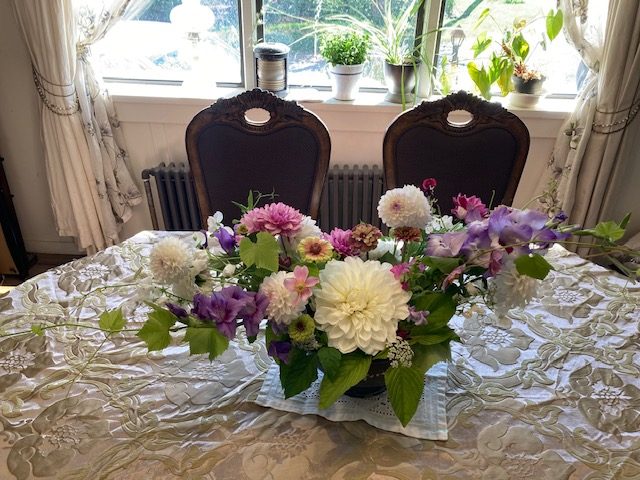
When it is time to return to the indoors completing the tasks that just don’t go away on their own there is something that I just can not help myself from doing, that is bringing the outside in to extend summers beauty wherever I may be. Feeling the visual beauty along with the lovely fragrance the flowers produce is always welcome in every room.

When strolling the garden in search of the perfect stem to include in the bouquets there is a few things that I look for. I want to make the bouquet do more than just look beautiful on the table or ledge. I want that bouquet to create a feeling in the room, to set the mood, you could say. How you might ask, by the form, colors and the smell. I think of what room I am harvesting for, the size that I want to achieve and most importantly the feeling that I want to release.

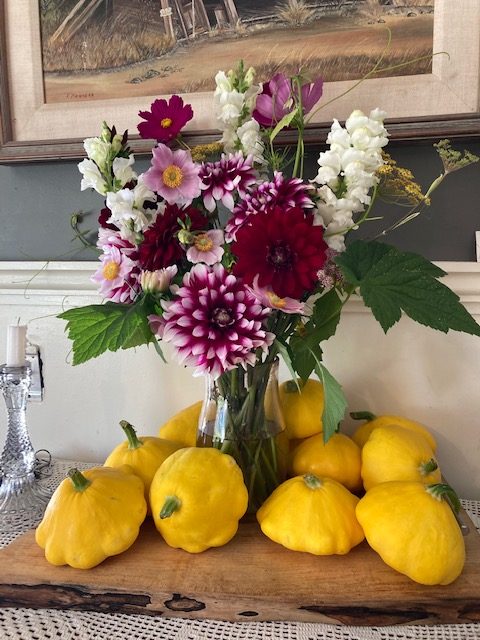
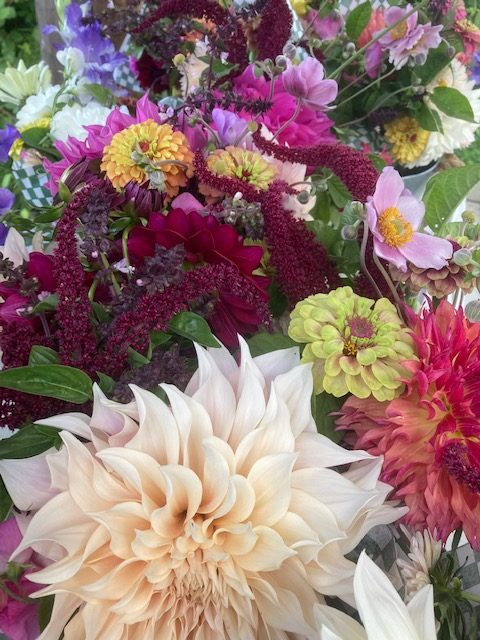
Do I want it to be natural, Flowey and springy? I would choose longer steams of cosmos, grape and lavender. Or maybe I want it to speak of a hardy appearance, a bit more traditional, then I would choose Dahlias, basil, and feverfew. For something sweet and mystical, cosmos, sweet pees and amaranthus might be the right choice.

Harvesting to the end feeling both sensationally and visually, I can add that special element to each room. It adds a conversational piece, enjoyment, and the special touch only this time of the year can bring. One of the best things about adding the outdoors to the inside living space is how it changes with every month. It makes us look at our gardens differently and creates something to look forward to as you are waiting for the bloom to open and expose its true beauty. Most of all it gives us the ultimate gift to share with family and friends.

Enjoy mixing and matching with different blooms and foliage, enjoy what nature gives us both indoors and out.

Growing your garden from seed -18 seedy secrets

By starla on May 3, 2022

One of the most exciting things in the garden is to sow a tiny little seed into the soil and watch it as it comes to life. With each day new growth appears until one day it happens, the bud of the flowers starts to bloom revealing the hidden treasure of the flower blossom! It is rewarding to grow vegetables from seed as well, resulting in a fresh plate of home grown food.

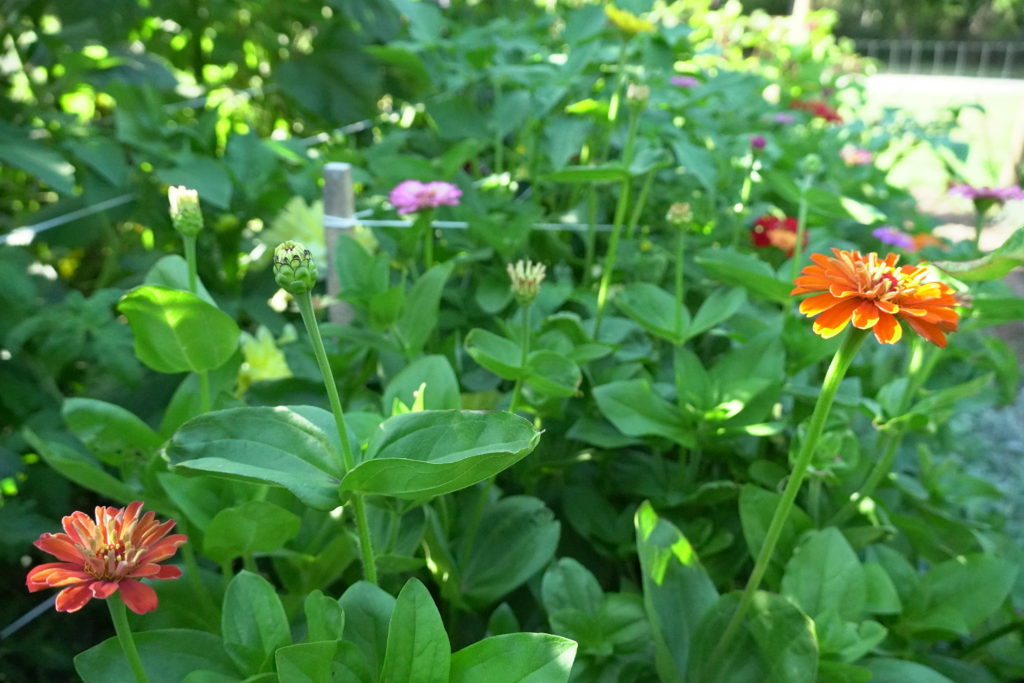
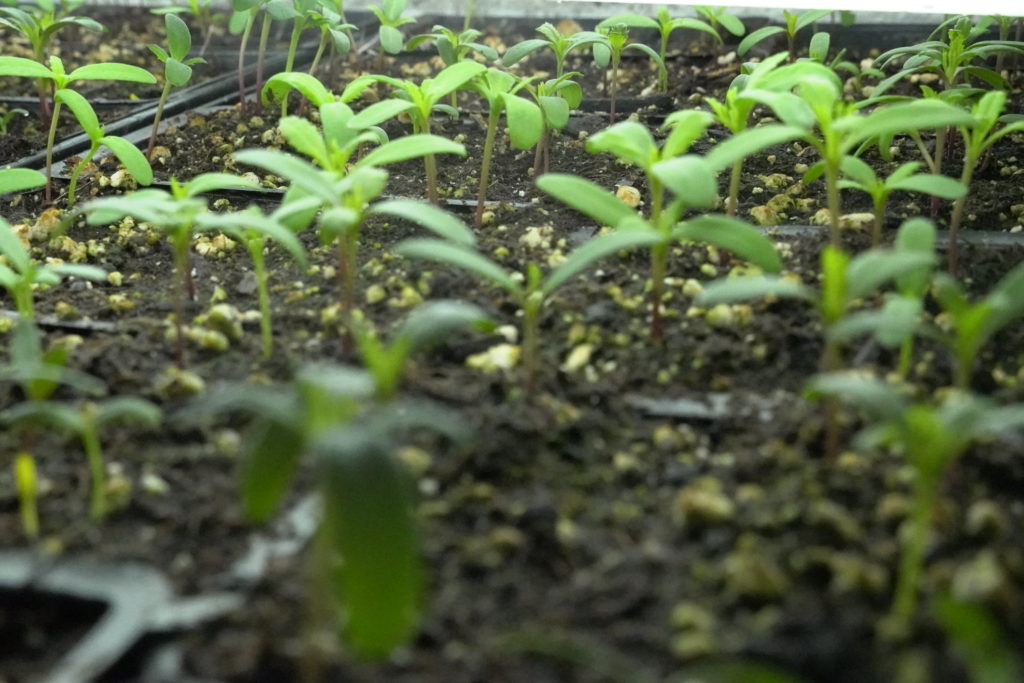
Zinnia sowed directly into prepared soil 6″ staggered spacing.

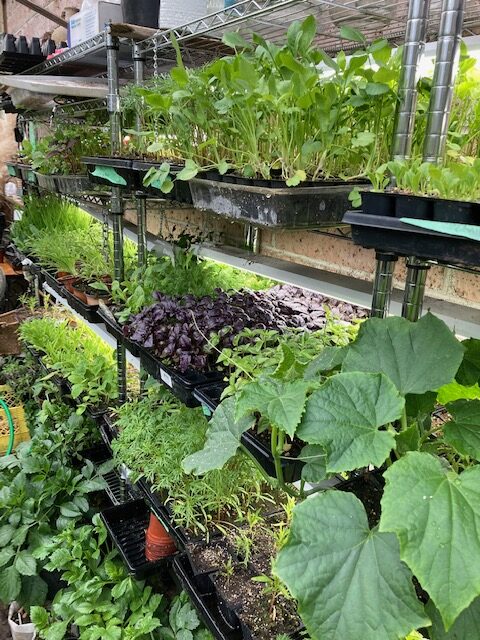
              I have spent many years growing flowers, herbs, and vegetables from seed, and I have learnt a lot from doing so. Some of the greatest lessons that I learnt is from just getting started and have helped me grow into a greater gardener. This allowed me to be able to grow a larger variety of plants from seed to plant throughout our property.

Here are 18 Seedy secrets that I have learned:

  1. Start from the ground up – if you do not have the proper soil you will not have the desired growing success, soil is one of the most important things in gardening.
  2. Let the light in – believe it or not some seeds need light to germinate. Meaning you place the seed on top of the soil and bottom water, you can put a small about of vermiculite on top to keep the seed in place until the roots start to grow.
  3. Pot it up – When starting some plants in the greenhouse they can get root bound in the smaller tray containers of 72, potting up the plants into a larger container will allow the plant to stretch its roots and grow. Plants need room to grow, by giving them the room it can make a difference from a tired discolored plant and a bright green healthy one.
  4. The importance of light – by having the seedlings under a grow light that is kept about 1” above the tops will grow you a stronger and healthier plant, until they are established enough to be potted up or planted out.
  5. Importance of cell trays – cell trays come in a variety of sizes you can buy 72 cell, 60 cell, 200 cell. Each tray has a different cell size for the tray, the purpose is to be able to grow a large about of plants in a smaller area. Once the plant grows enough in the cell tray they can be potted up or transferred directly into the garden.
  6. Hardening off – I am not always good at this but hardening off your plants before transferring them into the garden gives them a better chance and the plant a stronger start by not shocking the plant. To harden off your plants you would expose the plant to the outdoors a little bit at a time, slowly increasing the time per day until you plant them into the garden, about 3-5 days.
  7. Bottom watering – Water is key to keeping your seedlings from drying out in their tiny pots. By using a tray and putting the pots into the tray you can put 1/4” of water into the bottom of the tray and allow the plant to wick up the water. This also helps the tender plant from getting knocked down from overhead watering.
  8. Let the fan blow – keeping a fan gently blowing on the plants will give the plants constant wind movement and encourage them to grow a stronger steam.
  9. Bottom heat – to get the seeds to germinate faster allowing bottom heat to the sowed trays work great. I put a towel on top of our radiator, then the seed tray on-top of the towel or use a heat mat. Throughout the sowing season I sow a few trays each day or two to be able to have the room on bottom heat.
  10. Cold treatment – Some seeds do better by having a cold treatment before sowing. This simulates their natural habitat and can be done by putting them in the fridge for 2-3 weeks before sowing.
  11. Timing – sowing the seeds at the right time is a gift to know. If you sow your plants to early they can become to root bound and struggle growing to their full potential. Starting the seeds to late in the season may not allow them enough growing time to mature before the last frost kills them off.
  12. Frost dates – knowing your first and last frost dates allow you to be able to know when to start your seeds and when you need to get things out of the garden. Count back from your last frost date and mark the weeks on the calendar with the number, now when your seed packet says 6-8 weeks from the last frost date you will know when to start the seeds. For sowing a fall and winter garden you will want to know your first frost date in the fall and count back to know when to sow the seeds to allow enough growth before the growth rate is slowed down through the winter months. Knowing the first frost date will also give you a deadline to get frost sensitive things out of the garden like gladiolus corms and dahlia tubers.
  13. Water it in – when you sow the seeds give them a generous watering to wake them up. When you plant out your new plants make sure to water them in once planted into the garden as well.
  14. Fertilize – yes you can fertilize seedlings. Most potting soil dose not have any nutrients in it, so fertilizing your seedlings will give them a stem up.
  15. Know your garden space – ok, this I need a lot more work on….. knowing the square foot of the garden you have and the space the plants you sow will need will give you a good idea of how many plants to start. I try to sow an additional 20% from what I need, that way I will have enough if a plant dies or is not a strong plant and will give me extras to give away.
  16. Garden Plan – This is gold! I have heard a lot of great things about having a garden plan, but it has only been the last few years that I have paid attention to this and felt the greatness of having the plan. You can keep this simple or have it a more detailed. I have a cheat sheet of spacing per square foot (4” spacing staggered = 7 plants per square foot). Doing this lets me know how many plants fit into each bed per square foot. The plan also tracks the growing history of the garden beds, keeping it easy to know what needs to be rotated to keep the soil nutrition balanced.
  17. Seed lifespan – seeds like all living things do not live for ever. Pay attention to the life span of the seeds and make sure to use the older seeds first to keep your seeds from going bad before you plant them.
  18. Space savor – to save space on the heat pad and under the grow lights I will sow multiple seeds into a smaller container (4” pot). When the first true leaves start to appear you gently separate the seeds into their own cell in a 72 or 60 cell tray. This ensures that each cell of the tray has a plant in it, saving room under the grow lights and allows a higher volume of seedlings to germinate at once on the heat pad. This can be a great way to test your germination without wasting the valuable greenhouse space.

I hope these seedy secretes help you have more growing success. I know it is great to have them written out to remind me of the areas to continue to grow in.

It’s all about Blackberry Jam

By starla on April 27, 2022

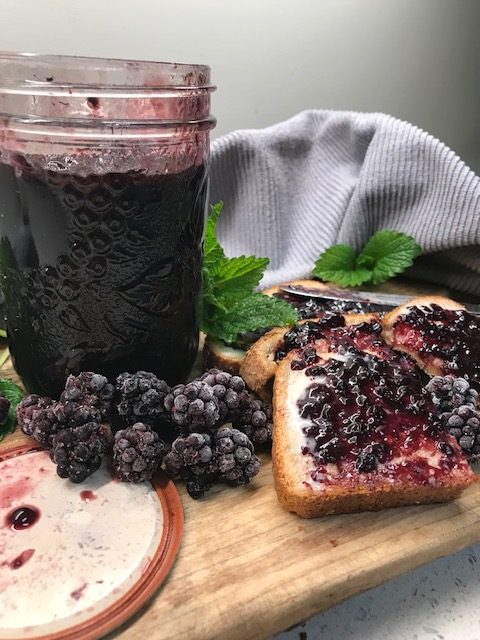
It’s spring here on Vancouver Island and one of the things I love about spring is making blackberry jam. We have an abundance of blackberries on the island and throughout the summer months when they are ripe, we pick buckets full and freeze them on cookie sheets lined with parchment paper. Once they are frozen, we transfer them into large freezer bags and store them in the freezer.

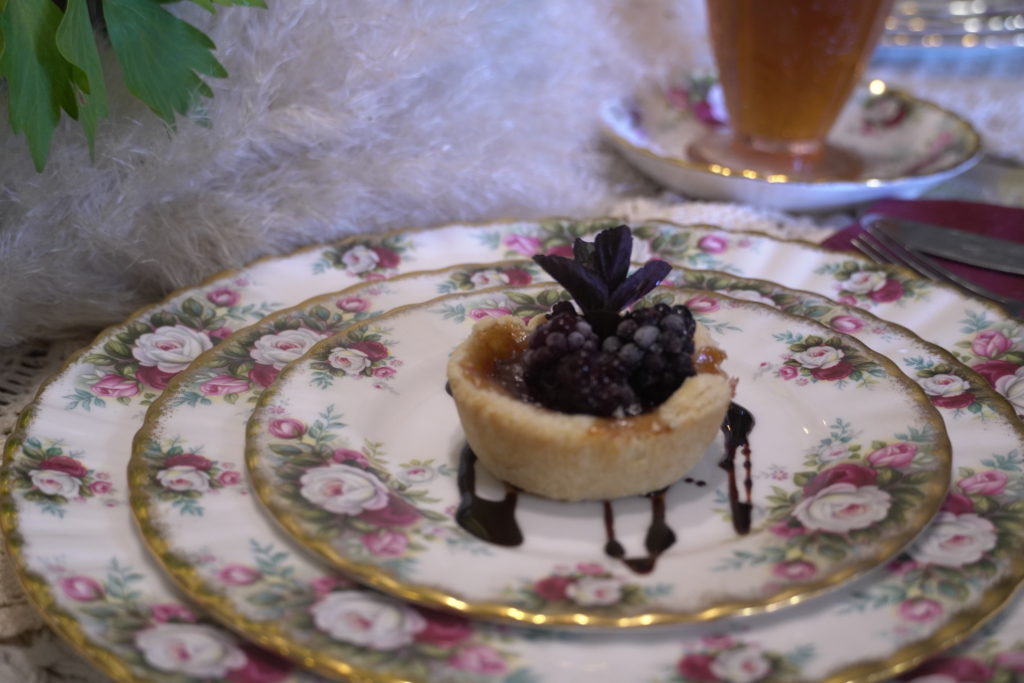
Apple tart topped with frozen blackberries and candy mint.

Through out the four seasons we utilize the frozen berries in baking, pies, smoothies and much more. Springtime is one of the times that I circulate through the freezers and take a little bit of an inventory of what we have left. This gives me a good idea of what we are going to need to grow, harvest and preserve through the next season to hold us through the winter. As in life there is an Ebb and Flow in the amount of food you are going to use, knowing the amount you preserved and the amount you have left will give you the quantity that your household uses. During a rainy spring day is the perfect time to turn those frozen blackberries into blackberry jam.

There are lots of ways to make jam, I am sure, so I am only going to chat about the way that I make our blackberry jam and that is in bulk. I do this for a couple of different reasons. Now there are pro and cons for everything of course.

The pros of making blackberry jam in Bulk:

  • Saves a lot of time,
  • Produces many jars at once per batch,
  • It gets all the processing and mess done at once,
  • Saves a ton of money and end up with organic home-made jam.

The Cons of making blackberry jam in Bulk:

  • Measurements are not exact,
  • Making multiple batches at once may cause gel failure (more liquid jam).

Weighting the pro and cons I choose to still make large batches at once.

Bulk batch Canning for Blackberries: (Yield 17-18 Pints)

-Going by the measurements on the pectin package, times the amounts by 4, with the blackberries frozen on cookie sheets and put in the Ziplock it makes it easy to measure, it normally equals 3 large Ziplock bags of frozen blackberries.

-4 times the sugar amount on the Pectin package (I always use organic cane sugar and add the pectin to the last cup of sugar to make it easier to mix in).

– 4 packages of Pectin.

Place the blackberries into a large pot with a few table spoons of water. Place the lid on them to speed up dethawing and stir occasionally. When the berries are ½ way thawed you can add the sugar and pectin. Bring the Jam to a boil for the required time on the instruction of the type of pectin you are using. Process jars according to the instruction of the type of pectin you are using.

Always make sure the jars are hot and sterilized before filling them with blackberry jam, I use the 18 quart oven with the lid on to keep the jars hot after I wash them and waiting to be filled.

Once the jars are filled with jam, make sure to leave ½” space from the top and wipe the rime of the jar with a clean damp cloth before putting the lid on. If there is anything on the rim of the jar when you put the lid on the lid will not seal properly.

Lay one or two layers of towels onto the cooling surface (I used two because I set the jars on the stone countertop). Place the jars onto the towels and cover with two towels overnight. By letting the jars cool slowly I find they end up with a better seal. You will most likely be able to hear the popping of the lids as they seal, it’s like music to my ears! The next day press on each lid of the jars, if they do not move they are sealed, take the metal ring off, wipe them down and transfer them into a cool spot until you are ready to use them. If the lid pops and moves up and down the jar is not sealed and will not last on the shelf, you can put them into the fridge and use right away.

Next comes the best part – enjoying fresh jam!

Until next time here are a few Canning tips:

  • Save your hands by using Fishing gloves, these are thick gloves with a rubber coating used in cold processing plants and can be purchased at a store caring safety clothing supplies.
  • Save counter space and speed up processing time by using a 18 Quart roster oven with 2-3” of water to keep the jars hot (holds 15 jars).
  • Precheck your jars when prewashing jars make sure there are no chips or cracks in the glass jar.
  • Preheat the lids into the metal ring that way you can easily pick up the lid from the water (make sure not to scratch the inside of the lid when lifting them out.
  • My preferred method of cooling is bundle the jar up with a towel underneath and 2 layers on top, this allows the jar to cool more slowly ( I have found I get a better seal ratio from this method).
  • Always make sure the rim of the jar is clean and wiped down with a clean cloth after it is fill and before the lid and ring goes on.
  • Keeping it clean, use a cookie sheet to fill your jars on and set the spoons on to keep the counter top from staining and making clean up a breeze.

The Garden Plan

By starla on January 18, 2022

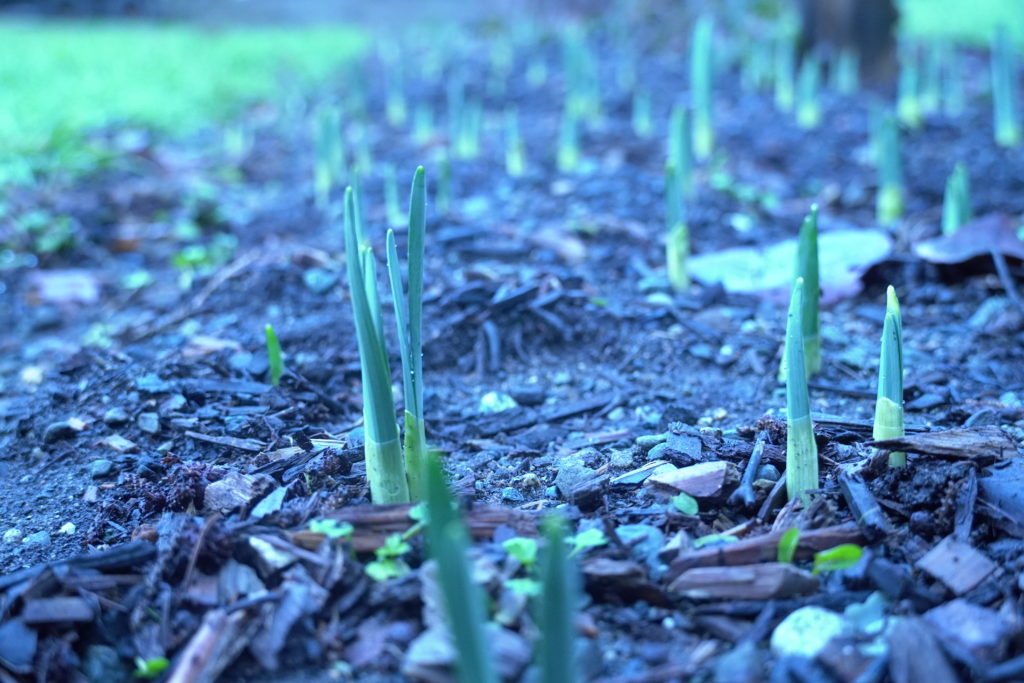
The snow has blanketed the ground and now is mostly melted, the signs of spring are emerging from the cool soil surfaces. It brings excitement and joy knowing the days are getting longer and life is coming back into all the plants that have been dormant for so long.

               These signs only remind us that just around the corner it will be time to set the seeds into the ground and plant the spring bulbs. It is time for the garden planning to begin. I like to take this time of the year to reflect on what worked last year and what didn’t, the new things I would like to try and the discoveries that need to be changed. If there is a new section of the land that I want to transform into a beautiful, planted landscape or a garden that needs to be returned to grass.

              When you have a garden plan it eliminates the guessing and allows you to create a beautiful atmosphere for you, the family, and friends to enjoy throughout every month of the year that follows. By taking the time to walk through the property at this time of the year allows you to see the bear truth of the land. The structures and trees are predominant which creates the base of the garden. From the base of the garden, you can create the internal structure the flowers and filler plants. Whether you are growing a vegetable garden or a flower garden you will always have a base to work off.

              As we walk through the yard, we create a list of goals of what we would like to achieve, what worked and what we would like to change and chat about time frames for these goals to be completed by. Kind of a garden wish list, some years we can achieve all the goals that we set for ourselves and some time the goals get rolled into the next year or changed as the year passes by. The best part of doing this is that there are the goals for us to target and work off. When the time comes around, we have direction and can plan to have the needed material on hand for the free time that we can work on the goals.

              Once we have the goals in place we can focus on the planting. We note what is there and what we would like to add or take away. If there is a perennial that is not working in a certain area of the yard, we can dig it up and move it to another portion of the yard or give it away. A garden is meant to bring joy to you when you spend time in it. If it is full of plants that you truly do not like or if it is not working in an area or maybe you just are ready to try something new, don’t feel guilt for digging up a plant to move it or change a garden around.

              Once you have your base add the filler plants in, whether that be annuals (live for one year) or perennial plants (comes back year after year) or even a mix of both. When thinking of the plant to put into the spot take note of the full height and width the plant will grow.  Think of the colors the plant will have in relation to the surrounding plants, the same goes with selecting the flowers. And lastly think of succession and companion planting, if you have a spot that the plant takes a few months to grow to full height, may be try planting a fast growing annual that you can enjoy until the other plant grows up then you can remove the annual and compost it while you enjoy the other plant.

              For vegetable gardening succession and companion planting is a great tool to have in your back pocket. Don’t worry to much about all of this it will take time to learn how fast plants grow, what they like for soil types and when to plant. The more you get your hands into gardening whether it be flowers, shrubs, or vegetables the more you will know and be able to experiment with what you grow.

              One way I keep everything organized is I draw out the garden layout, noting the size of the beds and paths. Note what permanent structures are in the area or note anything that I want to achieve. Then I put in the perennials, trees or shrubs that are in the area. Next, I note where the sun is or shade, this I do by lightly shading any spots of the garden that has shade throughout the day. This helps greatly when trying to pare up the area with the type of plants that can grow in the areas. Next, I print out a picture of the plants and lay out the plants that I want to grow by size they will grow and their needs, ie full sun, part sun/shade or full shade and any other major things that need to be considered. This way I can easily place the plant into the section of the garden that I want to fill and will get a visual of what it will look like when the garden is in full bloom.

              I note on the calendar when the last frost is, when the seeds need to be planted or when certain plants need to be planted into the garden. When I have an idea of what I want in the garden, I can be prepared for what that plant needs are or how the ground may need to be prepared before the plant gets planted. I can make sure there are garden structures in place before planting the tomatoes or dahlia instead of trying to put something into place when the plant is falling over and needing support. At this point I can space out the things needing to be done during the upcoming months and make them work with our family schedule. I find this works well, we become more prepared of the needs of the yard and can stay on top of everything easier instead of everything coming to head all at once.

              Over the years I have found that good planning makes the season more enjoyable and allows me to be able to find little spots in the garden that I can try out new plants or methods that I would normally not try. Every year I try out a new plant or growing method. The more I try new things the more I learn and grow as a sustainable gardener.

              The most important thing is to have fun with the process whether it be big or small enjoy each stage the garden brings. Happy growing friends!

Secrets to Making Legendary Cinnamon Buns

By starla on November 8, 2021

Time Secrets to making Legendary Cinnamon Buns

Like Most people I love a good cinnamon Bun. My Antie Reene, by far makes the best Cinnamon Buns around. Today I am going to share with you a few secretes tips so you to can make legendary cinnamon Buns.

I can not eat dairy and what that means for me is if I want a good cinnamon bun, I will have to make it myself. And like any good thing it takes time to do. Now, time, that is something that is harder to find when you’re in the mix of a fast-paced lifestyle, but I do have to satisfy my sweet tooth too. That is when I started the dance of give and take with time to find this secret to making cinnamon buns.

          In the morning we found to have a bit more time, and to make legendary cinnamon buns you must let the dough rise. So, with this receipt you make the dough in the am, let it sit until dinner before you roll it out. I always utilize the time that I am making dinner to squeeze in another thing. And on cinnamon bun making days that would be the other thing. While you are making dinner you are tossing up the kitchen anyhow, so you may as well pair it up with another mess making task. Like rolling out the cinnamon buns!

 Follow the below to make your legendary cinnamon buns, measuring 4 ½” Round!

The best way to start the morning off is with one of these cinnamon Buns and a coffee!

Ingredients:       Oven 350˚ for 30 minutes

12 cups flower                                   ¾ cup butter or margarine

5 1/2 cups warm water                         2 cups Brown Sugar

2 tbsp Yeast                                          4 tablespoons Ground Cinnamon

1 tbsp salt                                             Berries or nuts optional

  1. Put the flower into a large bowl
  2. Sprinkle the salt on top
  3. In a separate bowl add the warm water and yeast, let set while the yeast activates (it will poof up)
  4. Once the yeast has activated add the water to the flower.

Pro Tip: make a nest in the middle of the flower, then add the water mixture with a fork until you can knead it with your hands.

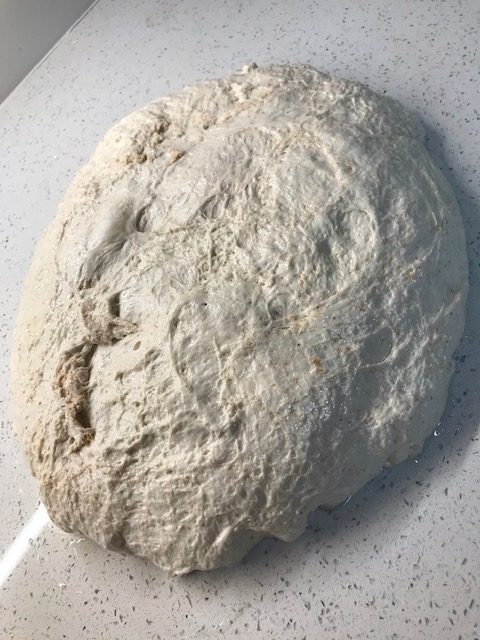
5. Knead the dough well – you can sprinkle a little bit more flower to be able to knead it if it is to sticky, but not to much you don’t want dry hard buns.

Pro Tip: bread likes to be kneaded, the rougher and the more you handle the dough the better it will turn out.

6. Set in the bowl in a semi warm place with a tea towel or wax-wrap over until you get home from work (about 6-8 hours).

Pro Tip: use a little bit of olive oil on the counter, rolling pin and your hands to prevent sticky dough attaching to everything. It keeps the dough from getting to dried out by adding to much flower as well, and makes cleanup easier.

The dough will be fluffly and full of air pockets, just knead it down then start to roll out.

7. Knead the dough down and roll out into a rectangle about 24” x 12”.

8. Spread the butter over the entire surface, about ¾ cup

9. Sprinkle a generous amount of brown sugar, 2 cups.

Pro Tip: The generous amount of Brown sugar will help make the cinnamon buns stickier.

10. Sprinkle a little bit of cinnamon over the top.

 11. Optional: add fresh or frozen berries and/or your favorite nuts.

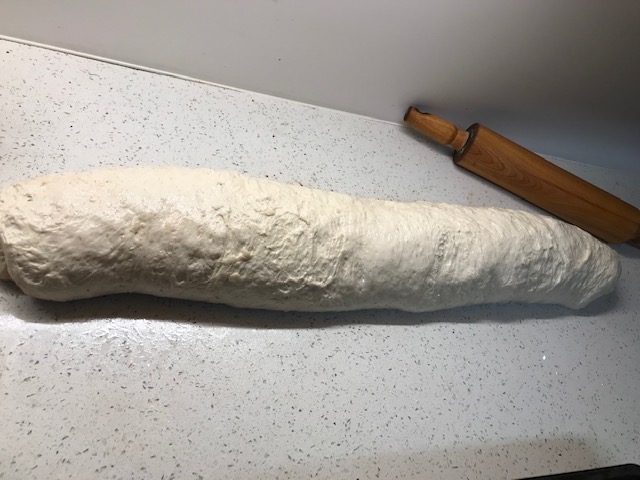
 12. Roll the dough lengthwise up into a long roll.

The dough rolled out length ways ready to be cut into 12 peices.

12. Cut the dough in the middle of the roll.

13. Cut the halves into half. Cut each ¼ of the roll into three pieces.

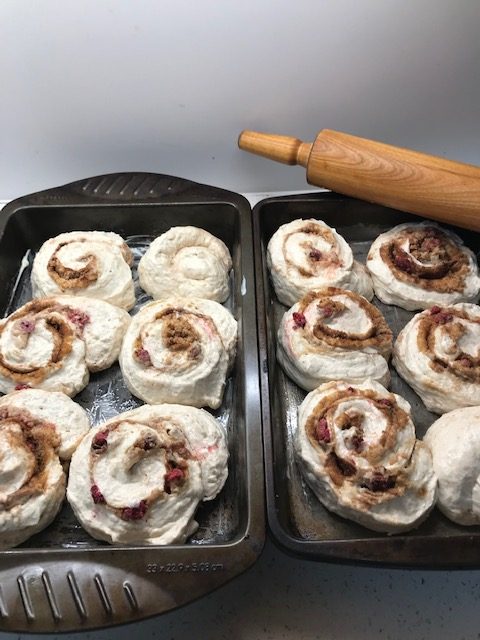
Cinnamon buns before they have started to rise. They will rise enough to fill the pan.

14. Place onto a buttered pan, place a tea towel or waxed cotton overtop, and let rise for 1-2 hours (rising time will depend on how warm your home is, if you place in a warm area they will rise faster). 6 cinnamon buns fit per 9” x 13” Baking pan, as in above photo.

15. Bake at 350 degrees for 30 minutes.

Let the cinnamon buns cool slightly before spreading the icing on to prevent the icing from running to the bottom of the pan.

16. Pull out and let set for 10-15 minutes before spreading the icing on top.

Butter Icing:

1/2 cup Butter or margarine

3 cups Powdered icing sugar

1 teaspoon Vanilla

1 ½ tablespoons Milk or soy milk

  1. Cream the butter until smooth
  2. Add the icing sugar 1 cup at a time with ½ tablespoon of milk, alternating until all is used.
  3. Add the Vanilla to flavor
  4. Drizzle onto the top of the cinnamon buns while they are warm but not to hot.

Preserving:                     

The Cinnamon buns will store great in an airtight container for a few days if they don’t get eaten first!

Or you can individually wrap and store in the freezer. They are great to through in your lunch or warm up for a delicious meal or snack, and will last in the freezer up to 3 months.    

© 2026 Starla Parkin. tru Theme by SPYR
✕
  • Home
  • Blog
    • Simple Living
    • Gardening
    • Preservation and preparing food
  • About